

Most homes lose up to 30% of heat through old, inefficient windows. That means higher bills and chilly rooms you just can’t seem to warm up. Choosing the right energy efficiency windows changes everything—cutting costs, blocking drafts, and keeping your home cosy year-round. In this guide, you’ll find the best window types, materials, and features to help you make smart decisions when upgrading windows in Northampton or anywhere else. For more expert information, visit our detailed Windows section.
Understanding Energy Efficiency in Windows
How Windows Affect Your Energy Bills
Windows play a crucial role in your home’s thermal performance. When poorly insulated, they allow heat to escape during winter and enter during summer, forcing your heating and cooling systems to work harder. This results in higher energy consumption and increased utility bills.
Best Window Types for Energy Savings
Double and Triple Glazing
Double glazed windows feature two panes of glass with a gap between them, while triple glazed windows have three panes. These gaps, often filled with inert gases like argon or krypton, create excellent insulation barriers. For homeowners in Northampton and other areas with variable climate conditions, double glazing offers a cost-effective solution, while triple glazing provides superior insulation for extreme temperatures.
Casement Windows
Casement windows seal tightly against the frame when closed, making them one of the most draft-proof windows available. Their design allows for excellent ventilation when open while maintaining superb energy performance when closed.
Tilt and Turn Windows
These versatile windows can open inward from the top for ventilation or swing inward like a door. Their design creates an exceptionally tight seal, enhancing window insulation and reducing air leakage.
Window Materials and Their Insulation Properties
uPVC Frames
uPVC (unplasticised polyvinyl chloride) frames are popular for their excellent insulation properties, low maintenance requirements, and cost-effectiveness. They don’t conduct heat well, which helps maintain your home’s internal temperature.
Wooden Frames
Timber frames offer natural insulation and a classic aesthetic. While they require more maintenance than uPVC, properly maintained wooden frames can last decades and provide excellent thermal performance.
Aluminium Frames with Thermal Breaks
Modern aluminium frames include thermal breaks (insulating plastic strips) that prevent heat transfer. This makes them much more energy-efficient than older aluminium windows while maintaining strength and slim profiles.
Energy Saving Features to Look For
Low-E Glass Coatings
Low-emissivity (Low-E) glass has a microscopically thin, transparent coating that reflects heat. This keeps warmth inside during winter and reflects solar heat away during summer, improving home comfort throughout the year.
Warm Edge Spacer Bars
These insulating bars separate glass panes in double or triple glazing. Unlike traditional aluminium spacers, warm edge spacers reduce heat transfer at the edges of the glass, decreasing condensation and improving overall window performance.
Weather Stripping and Seals
Quality weather stripping around moving parts ensures windows remain draft-proof for years. When upgrading windows, pay close attention to the quality of seals and weather stripping, as these are vital for long-term energy performance.
Window Ratings and Certifications
Energy Rating Bands
In the UK, windows are rated from A++ (most efficient) to E (least efficient). When shopping for energy efficiency windows, look for A-rated or higher for optimal performance.
U-Values
The U-value measures how easily heat passes through a material, with lower numbers indicating better insulation. For windows in British homes, look for U-values below 1.4 W/m²K for excellent thermal performance.
Cost Considerations and Return on Investment
Initial Investment vs Long-term Savings
While energy-efficient windows typically cost more upfront, they generate savings through reduced energy bills. Homeowners in Northampton and across the UK can expect to recoup their investment through energy savings within 5-10 years, depending on the windows replaced.
Potential for Increased Property Value
Properties with energy-efficient features, including quality windows, often command higher prices in the housing market. Upgrading windows can be a wise investment if you plan to sell your home in the future.
Choosing the Right Windows for Your Home
Climate Considerations
Your local climate should influence your window choices. In areas with cold winters like much of the UK, prioritise windows with excellent insulation properties and low U-values.
Home Style and Architecture
The best window types should complement your home’s architectural style. Many manufacturers offer energy-efficient options that maintain period features for heritage homes or contemporary designs for modern properties.
Professional Installation
Even the most energy-efficient windows will underperform if poorly installed. Professional installation ensures proper sealing and operation, maximising energy performance and draft prevention.
Maintenance for Long-lasting Performance
Regular cleaning and maintenance of tracks, hinges, and seals help maintain your windows’ energy performance over time. Check weather stripping annually and replace it as needed to keep your windows draft-proof.
For homeowners in Northampton looking to upgrade their windows, consulting with local specialists can provide insights into the best options for the regional climate and your specific home requirements.
By selecting the right energy efficiency windows with appropriate materials and features, you can create a more comfortable home environment while reducing your energy consumption and costs for years to come.
Understanding Window Insulation
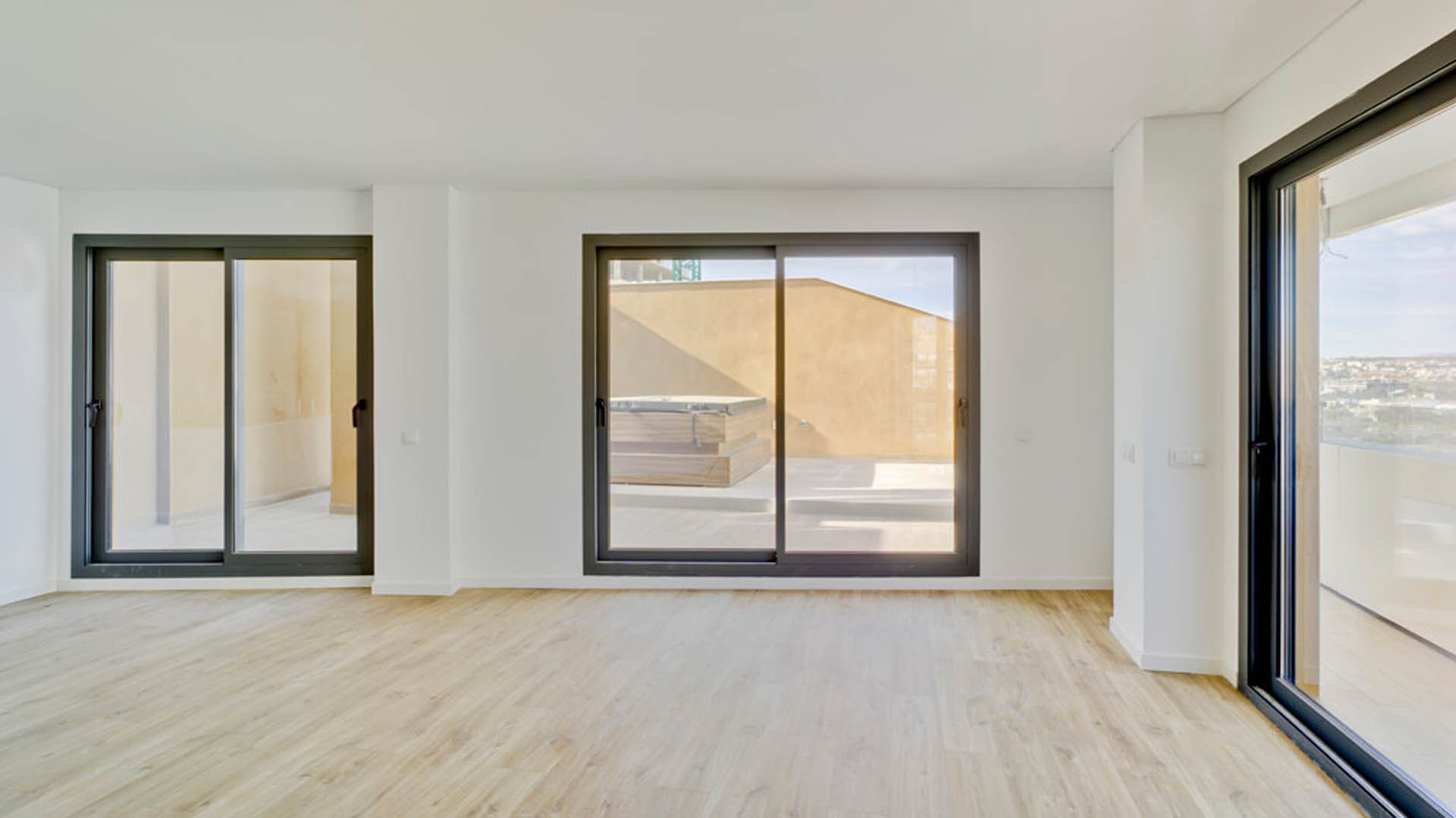
Your home’s comfort starts with how well your windows manage heat. Poor window insulation forces your heating system to work overtime, creating cold spots and driving up bills. Good insulation keeps warmth where you want it—inside during winter and outside during summer.
Importance of Energy Efficiency Windows
Energy efficiency windows act as thermal barriers between your home and the outside world. They work by trapping air between glass panes, creating an insulation zone that stops heat from escaping.
Most UK homes with older windows waste £215-£235 annually on escaped heat. This money literally flows out through gaps and poorly insulated glass. By upgrading to modern energy-efficient designs, you can cut this waste dramatically.
Windows with proper insulation maintain a stable indoor temperature. This means fewer cold spots and drafts, creating rooms that stay comfortable without constantly adjusting your thermostat.
The Energy Saving Trust confirms that quality windows can reduce your heating requirements by up to 25%. This translates to real money saved every month while making your home more pleasant to live in.
Best Window Types for Insulation
Double-glazed windows provide the foundation of good insulation. They use two glass panes with a sealed gap between them, reducing heat transfer by up to 50% compared to single panes.
For even better performance, triple-glazed windows add a third pane, creating two insulating air gaps. These excel in very cold climates or noisy areas, cutting heat loss by an extra 20% over double glazing.
Casement windows offer superior insulation because they press against the frame when closed. This creates a tighter seal than sliding windows, which always have small gaps where frames overlap.
Tilt-and-turn windows give you options for ventilation while maintaining good seals. They can open from the top for a small air gap or swing open fully when needed, making them practical for year-round use.
Fixed picture windows don’t open at all, which eliminates any possible air leaks around operating parts. They’re perfect for areas where you want maximum insulation and uninterrupted views.
Choosing the Right Window Materials
uPVC frames dominate the UK market because they combine good insulation with low maintenance. The material doesn’t conduct heat well, preventing thermal bridging where heat escapes through the frame.
Wood frames offer natural insulation with R-values about 400 times better than aluminum. They create a warm, classic look while blocking heat transfer effectively.
Composite frames blend materials for optimal performance. Many use wood interiors for warmth and insulation with aluminum or fiberglass exteriors for weather resistance and minimal maintenance.
Fiberglass frames resist temperature changes and don’t expand or contract much with weather shifts. This stability maintains tight seals year-round and prevents gaps from forming.
Frame spacers matter too. Warm-edge spacers between glass panes reduce condensation and improve edge insulation, areas where traditional windows often fail first.
Exploring Energy Saving Features
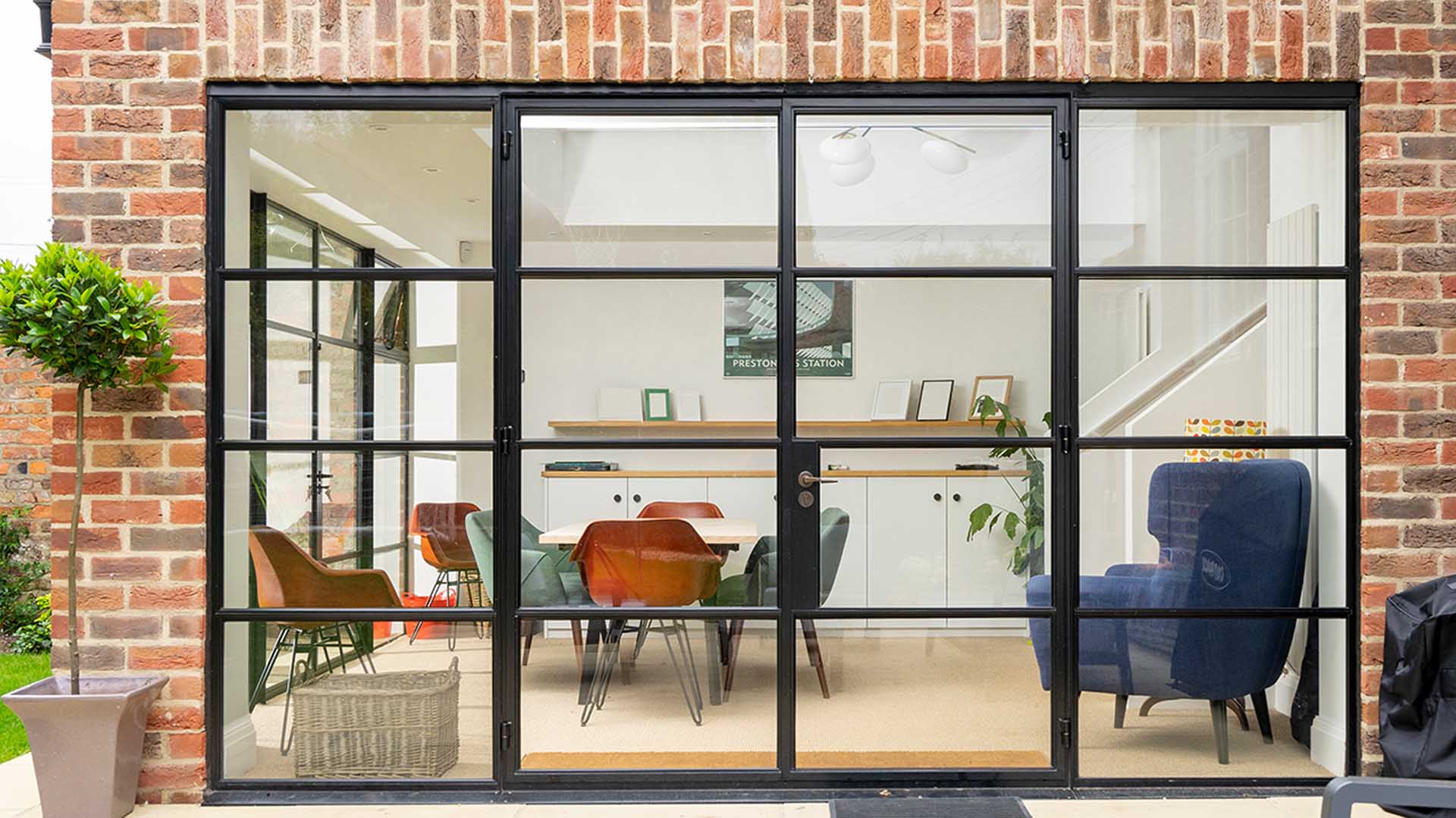
When you upgrade your windows, small details make big differences in performance. Modern windows combine multiple technologies that work together to keep your home comfortable while reducing energy use.
Draft-Proof Windows for Home Comfort
Draft-proofing starts with proper seals around every opening part. Quality windows use compression seals that create airtight barriers when closed, eliminating the cold air streams that make rooms uncomfortable.
Weather stripping plays a crucial role in stopping air leaks. Look for windows with EPDM rubber or silicone seals that remain flexible for years without cracking or shrinking. These materials maintain their shape through countless opening cycles.
Multi-point locking systems pull sashes tightly against frames at several points. This creates even pressure around the entire window perimeter, eliminating weak spots where drafts might sneak through.
Frame design matters too. The best frames include internal chambers that trap air, creating additional insulation zones. More chambers generally mean better thermal performance and fewer cold spots around window edges.
Installation quality determines how draft-proof your windows will be. Even the best window will let in cold air if gaps exist between the frame and wall. Professional installation ensures these critical junctions are properly sealed and insulated.
Noteworthy Energy Saving Additions
Low-E glass coatings act like invisible shields that reflect heat back to its source. During winter, they bounce indoor heat back into your rooms. In summer, they reflect solar heat away from your home.
Gas fills between panes boost insulation dramatically. Argon gas, the most common, insulates about 67% better than regular air. Krypton gas performs even better but costs more, making it worth considering for north-facing windows.
According to ENERGY STAR, windows with proper solar control coatings can reduce solar heat gain by 75%. This keeps rooms cooler in summer without sacrificing natural light.
Warm edge spacers replace traditional aluminum spacers between glass panes. They reduce heat conduction at the edges by up to 65%, eliminating cold frame edges that cause condensation.
Window films offer an affordable upgrade for existing windows. These thin plastic layers can cut heat loss by 30% and block up to 99% of UV rays that fade furniture and flooring.
Upgrading Windows for Better Savings
Window replacement pays for itself through energy savings. The average UK home saves £75-£115 annually after installing energy efficiency windows, with complete payback typically occurring within 8-12 years.
Strategic replacement often works better than whole-house upgrades. Start with north-facing windows that lose the most heat, then move to large picture windows where heat loss is greatest by total area.
Window ratings simplify comparison shopping. UK windows use an A++ to G scale, with each improvement in letter grade representing about a 5% increase in energy performance. Aim for A-rated windows at minimum.
U-values measure heat transfer rates, with lower numbers indicating better insulation. For UK homes, look for whole-window U-values below 1.4 W/m²K for good performance, or below 1.0 W/m²K for excellent insulation.
As Solar Tech explains, proper sizing during upgrades improves both appearance and performance. Oversized replacements require excessive trimming and filling, creating potential weak points for air leaks.
Making Informed Choices
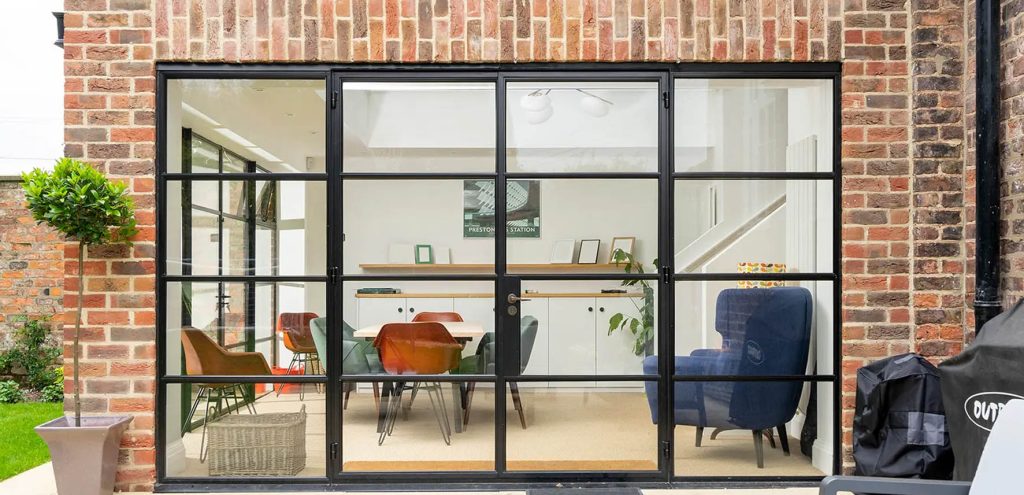
Selecting the right windows involves balancing immediate costs against long-term benefits. The best choices depend on your specific home, climate, and energy goals.
Selecting Windows in Northampton
Northampton’s climate features cool, damp winters and mild summers, making heat retention a priority. Windows with U-values below 1.3 W/m²K work best in this region, keeping heating costs down during long winter months.
Local building regulations set minimum standards for replacement windows. In Northampton, new windows must have a Window Energy Rating of at least Band C or a U-value no higher than 1.6 W/m²K, though exceeding these minimums brings greater comfort and savings.
Working with local suppliers offers several advantages. They understand regional weather patterns and can recommend appropriate glass packages. Many also provide faster service if warranty issues arise.
Northampton homeowners should consider the area’s frequent rain when choosing window styles. Outward-opening casements shed water effectively, while sash windows with proper drip details prevent moisture problems during driving rain.
The town’s mix of historic and modern homes requires careful window selection. For period properties, look for companies offering heritage-styled frames with modern energy features hidden within traditional designs.
Tips for Homeowners on Upgrading Windows
Start with a home energy assessment to identify your worst-performing windows. This targeted approach delivers the biggest immediate savings rather than replacing windows that might still perform adequately.
Compare quotes based on lifetime value, not just purchase price. Windows with better gas fills, coatings, and frame insulation might cost 15-20% more initially but save substantially more over their lifespan.
Check for installation guarantees along with product warranties. Many window failures stem from poor installation rather than product defects. Good installers stand behind their work for years.
Plan window replacements during mild weather when possible. This minimizes your home’s exposure to the elements during installation and allows sealants to cure properly.
Consider sound insulation alongside thermal performance. Windows that block heat transfer typically reduce noise too. This dual benefit proves particularly valuable for homes near busy streets or in noisy neighborhoods.
Expert Advice for Lasting Benefits
Professional maintenance extends window life and performance. Clean tracks and hinges yearly, lubricate moving parts, and inspect seals for damage. Small repairs prevent bigger problems that compromise energy efficiency.
Future-proof your investment by exceeding current standards. Energy codes continue to tighten, so windows that merely meet today’s minimums may seem outdated in five years.
Balance visible light transmission with energy performance. Some high-performance coatings reduce natural light, creating darker interiors. The best windows maintain good light levels while still blocking heat transfer.
Consider your home’s orientation when selecting glass packages. South-facing windows benefit from solar control coatings that block summer heat while allowing winter warmth. North-facing windows need maximum insulation without solar control.
Document your improvements for future home sales. Energy-efficient windows increase property values, but only if you can prove their performance. Keep warranty information and energy ratings for when you sell your home.